Diet chart for kidney patients: CKD and dialysis
A kidney patient diet controls four things: salt (less than 5 g a day), protein (less before dialysis, more on dialysis), and potassium and phosphorus if your blood tests are high. Use leached sabzi, low-potassium fruits like seb and nashpati, avoid achar, cola and salt substitutes, and follow your nephrologist's fluid limit.
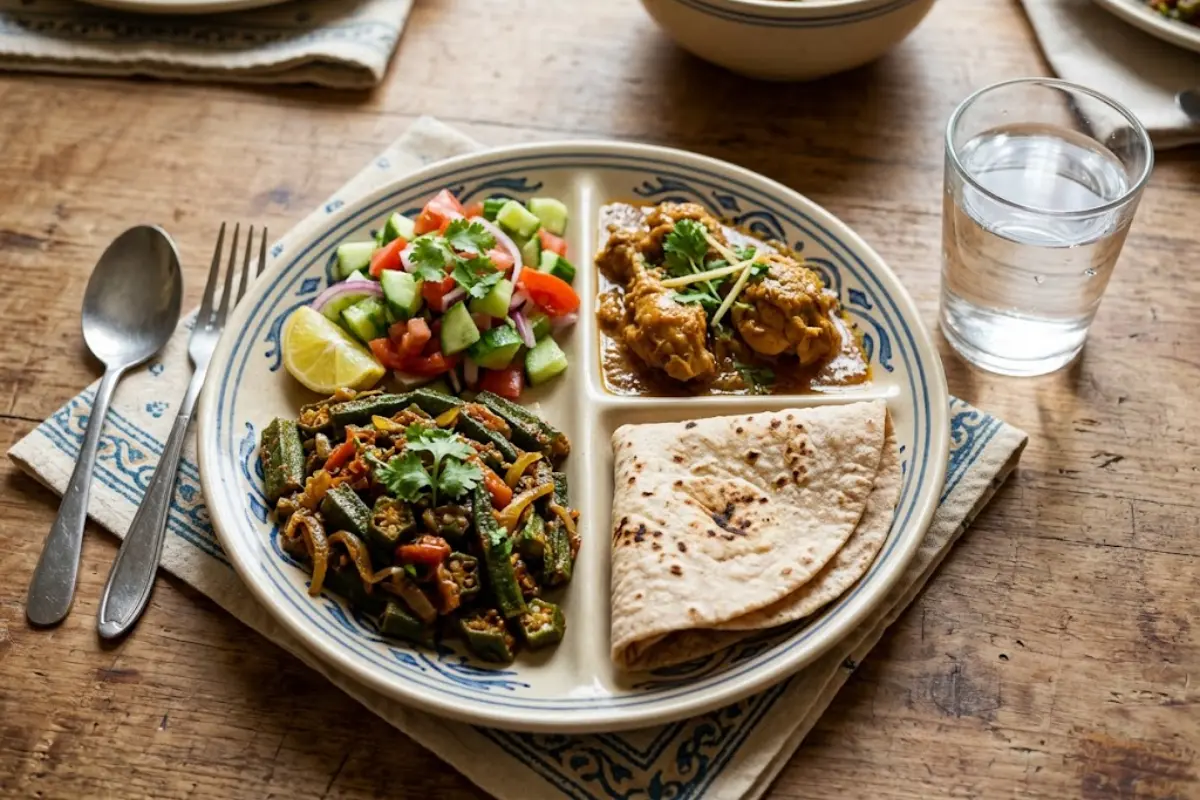
Before dialysis and on dialysis: what changes
| Nutrient | CKD before dialysis | On dialysis |
|---|---|---|
| Protein | Lower: about 0.6 g per kg body weight a day, supervised | Higher: about 1.0 to 1.2 g per kg a day |
| Salt | Less than 5 g salt a day | Less than 5 g salt a day |
| Potassium | Limit only if blood potassium is high | Usually limited |
| Phosphorus | Limit if high | Usually limited, binders with meals |
| Fluid | Usually normal unless swelling | Limited: urine output plus about 500 ml, as your unit advises |
From KDOQI 2020 and KDIGO 2024. Your nephrologist and dietitian set your own numbers.
High and low potassium foods in a Pakistani kitchen
- Higher: kela, khajoor, kishmish and other dried fruit, coconut water, aam, malta and juices, aloo, tamatar in large amounts, palak, daal and chana in large portions.
- Lower: seb, nashpati, lauki, tori, gobhi, band gobhi, shimla mirch, kheera, white rice.
Sample one-day kidney disease diet chart
| Nashta | 1 chapati or 2 slices of bread, 1 egg white or ½ egg (as your protein allows), chai with little milk | measured protein |
|---|---|---|
| Mid-morning | 1 low-potassium fruit: seb or nashpati (small) | not banana |
| Lunch | 1 to 2 chapatis or rice, 1 katori leached sabzi (lauki, tori, gobhi, shimla mirch), small portion of chicken | little salt |
| Evening | Plain biscuits or puffed rice; chai counted in your fluid limit | no nimko |
| Dinner | 1 chapati, 1 katori sabzi, ½ katori daal only if your dietitian allows | early dinner |
Pakistani food swaps for kidney disease
Small changes to everyday food, without a separate menu.
| Instead of | Try |
|---|---|
| Achar, nimko, papad, packaged snacks | Home food with measured salt, lemon and herbs |
| Kela, khajoor, dried fruit, coconut water, orange juice | Seb, nashpati, small portions as advised |
| Cola drinks and processed cheese | Water within your fluid limit, homemade food |
| "Low-sodium" salt substitutes | Normal salt in small amounts (substitutes are high in potassium) |
| Herbal medicines and "kidney tonics" | Only medicines your nephrologist prescribes |
Phosphorus: the hidden part
Phosphorus added to cola drinks, processed cheese, packaged and fast food is absorbed almost completely, much more than the phosphorus in home food. Cutting these is the easiest step. Milk, dahi and nuts also contain phosphorus; your dietitian tells you how much fits. For the tests that guide all this, see creatinine normal range, and for one-to-one help the renal dietitian consultation.
Do not follow this alone if
- You have not seen a nephrologist (kidney doctor) yet
- Your potassium is high, you have swelling or breathlessness, or you pass very little urine
- You have diabetes and kidney disease (protein and carbohydrate both need planning)
- You are on dialysis (your unit sets fluid and protein limits)
- The patient is a child or pregnant
In these cases a general chart can be wrong for you. Book an online consultation.
Kidney disease diet: common questions
What should a kidney patient eat?
It depends on the stage and whether you are on dialysis. Most kidney patients need less salt, the right amount of protein (less before dialysis, more on dialysis), and limits on potassium and phosphorus if their blood tests are high. A renal dietitian sets your exact amounts from your reports.
How much protein can a kidney patient eat?
Before dialysis (CKD stages 3 to 5), guidelines suggest about 0.6 g of protein per kg of body weight a day under supervision, a little more with diabetes. On dialysis it rises to about 1.0 to 1.2 g per kg, because dialysis removes protein. Never start a very low-protein diet without your nephrologist.
What is different in a dialysis patient diet?
More protein (eggs, chicken, fish), strict control of fluids, salt, potassium and phosphorus, and phosphate binders with meals if prescribed. Weight gain between dialysis sessions mostly comes from fluid and salt.
Which fruits are low in potassium?
Seb, nashpati, strawberries, and small portions of grapes or papaya are usually lower. Kela, khajoor, dried fruits, coconut water, mangoes, oranges and their juices are high. Your blood potassium decides how strict you need to be.
What are the symptoms of kidney failure?
Early kidney disease usually has no symptoms. Later it can cause swelling of feet and face, tiredness, less urine, foamy urine, itching, nausea, poor appetite, breathlessness and high blood pressure. Only blood and urine tests (creatinine, eGFR, urine protein) can confirm it.
How do I reduce potassium in potatoes and vegetables?
Peel and cut them small, soak in warm water for a few hours or boil them in plenty of water, throw that water away, then cook as usual. This "leaching" removes part of the potassium, not all of it.
Want a plan made for your body?
Send your weight, height, reports and goal on WhatsApp. A qualified dietitian makes your personal chart and adjusts it at follow-ups.